Comparing Organic Latex Mattresses: Naturepedic vs Vispring for Sleepers Seeking Natural Comfort
A deep dive into two distinct approaches to natural sleep: Naturepedic’s organic latex options and Vispring’s luxury coil-free designs, with a spotlight on sustainability, feel, and long-term durability.
In a world where sleep is increasingly recognized as a cornerstone of wellbeing, the mattress you choose matters more than ever. The domain renewbeds.com explores an editorial lens on sleep health, bedroom environment, and meaningful materials. Today, we compare two notable avenues in the realm of organic comfort: Naturepedic’s organic latex offerings and Vispring’s coil-free, luxury-minded constructions. Each brand embodies a philosophy toward natural materials, breathability, and durability, yet they approach sleep experience from different design philosophies. This piece unpacks what to expect from Naturepedic’s organic latex models and what Vispring brings to the table in terms of latex-inclusive or coil-free configurations.
Material science and what it means for your sleep
For sleepers who prioritize natural materials, the composition of a mattress directly influences temperature regulation, bounce, pressure relief, and overall healthfulness. Organic latex, a common feature in Naturepedic’s lineup, is valued for its responsiveness, durability, and natural breathability. Latex in its organic form tends to offer a buoyant yet supportive feel that adapts to body contours while maintaining airflow. This can yield a cooling effect for those who tend to sleep hot and a relief from pressure points for side, back, and stomach sleepers.
Vispring’s approach, historically known for its luxurious sprung mattresses, can extend into coil-free territory by leveraging latex foams or latex-inclusive layers within a premium, hand-tinished construction. Coil-free designs aim to preserve the refined support and contouring for which Vispring is renowned, while removing metal springs in favor of natural materials that emphasize no-insulation from motion and a serene sleeping surface. The result can be a plush, steady feel with an emphasis on edge-to-edge comfort and long-lasting durability.
Both brands emphasize responsible sourcing and transparent material narratives. Naturepedic’s ethos centers on organic certification, non-toxic finishes, and a direct-to-consumer or boutique retailer model that highlights sustainability. Vispring, with its heritage, often and understandably leans into artisanal craftsmanship and premium materials that justify a luxury positioning while still pursuing environmentally minded practices in sourcing and production.
Key questions to guide your choice
- Firmness and sleep position: How does each mattress respond to your typical sleep position (back, side, stomach) and desired firmness? Naturepedic’s latex options offer configurable loft and a consistent, buoyant feel, while Vispring’s coil-free configurations lean into contouring support that can resemble a custom-fit experience without traditional springs.
- Durability and longevity: Latex is known for resilience, but coil-free luxury designs from Vispring can offer a different kind of durability through layered natural materials and solid craftsmanship. Consider how the mattress will age, how it responds to body changes over years, and the expected replacement cycle.
- Temperature and breathability: If you sleep hot, prioritize models with robust airflow. Organic latex typically allows for good ventilation, and Vispring’s coil-free arrangements may rely on layering that enhances breathability while avoiding heat buildup.
- Certifications and health considerations: Look for GOTS, GOLS, or other third-party certifications when evaluating organic latex and finishing processes. Non-toxic materials, low-VOC finishes, and allergen considerations are essential for a serene sleep environment.
- Price and value: Naturepedic’s latex models often present a value proposition grounded in organic materials and practical design, while Vispring’s coil-free line tends to occupy a premium segment with craftsmanship that appeals to luxury-minded buyers seeking longevity and status.
A closer look at Naturepedic’s organic latex options
Naturepedic has built a reputation on transparency, organic credentials, and a clean, toxin-free sleep surface. Their organic latex offerings are designed to balance comfort with a sense of natural wellness. In practice, you can expect a latex core that adapts to your shape, offers consistent support, and facilitates good airflow to help regulate temperature through the night. The emphasis on organic materials means fewer irritants in contact with your skin, an important consideration for sleepers with sensitivities or allergies.
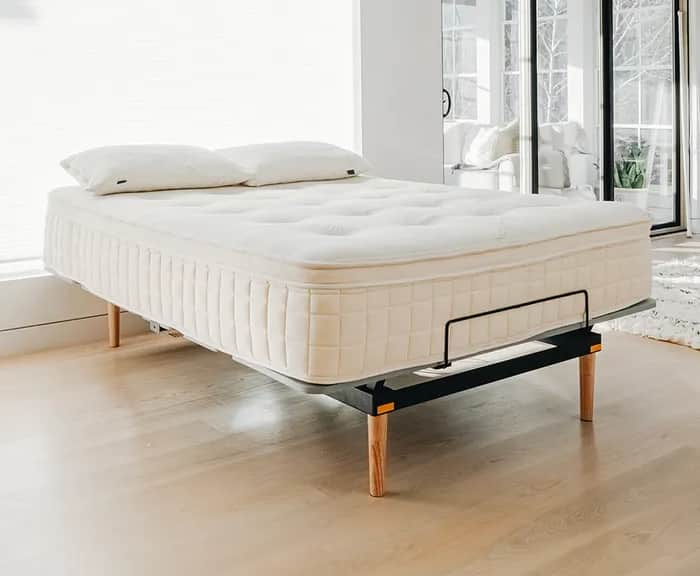
A representative model from Naturepedic, combined with its broader frame of organic constructs, can deliver a sleep experience that feels buoyant and responsive, while avoiding the heavier, motion-transfer characteristics associated with some traditional innerspring systems. For couples, latex’s natural elasticity can contribute to a balanced sleep surface where movement is less disruptive across the bed’s surface.
From a design perspective, Naturepedic’s latex variants maintain a minimalist philosophy: prioritize the purity of materials, maintain consistent performance over years, and provide a credible path to a healthier sleep ecosystem. For those who value straightforward care, latex cores tend to be easier to maintain than certain foam blends, with fewer concerns about off-gassing or chemical smells after unboxing.
Vispring’s coil-free luxury path and what it offers
Vispring is steeped in a legacy of premium craftsmanship, famed for its meticulous hand-tufted finishes and high-quality natural fibers. While many Vispring mattresses are associated with traditional spring systems, the coil-free direction—when explored—can emphasize natural materials like latex layers, horsehair, wool, and cotton. This approach aims to preserve the brand’s reputation for comfort, contour, and enduring support while mitigating concerns about metal components for sleepers who desire a lighter environmental footprint or a different distribution of weight and pressure.
Under a coil-free umbrella, Vispring can deliver a distinct sense of luxury: a surface that feels plush yet balanced, with a refined edge support system and an emphasis on long-term shape retention. Handcrafted details, premium fabrics, and a heritage-driven aesthetic contribute to a sleep experience that many sleepers associate with timeless quality and quiet, restorative rest.
For shoppers who crave a bespoke feel, Vispring’s coil-free options may invite a sense of customization, where layers can be chosen to balance softness, support, and temperature regulation in a way that aligns with personal sleep preferences and room aesthetics. The result is a mattress that feels inherently premium, with a design language that values tradition, craftsmanship, and natural materials.
Real-life narratives: three key individuals from different time periods
Aisha, 26th century dreamer
A historian of sleep, Aisha studies how ancient rituals around rest evolved into modern wellness practices. She explores the concept of natural materials as emotional cues—how a breathable latex layer might contribute to a sense of grounded calm after a long day. Her work emphasizes sustainable design choices and mindful consumption, resonating with readers who seek simplicity and longevity in their sleep setups.
Lorenzo, Renaissance-adjacent artisan
Lorenzo represents an era when craftsmanship defined comfort. In contemporary terms, his mindset mirrors the premium, hand-finished ethos of Vispring’s coil-free lineage. He would appreciate the tactile richness of premium natural fibers, the craftsmanship behind a well-tufted surface, and the idea that sleep is a daily ritual deserving of artistry and attention to detail.
Mira, contemporary sleep scientist
Mira researches circadian biology and the bedroom’s impact on melatonin production. She highlights how temperature regulation, airflow, and material hygiene affect sleep quality. For readers, her perspective reinforces the value of choosing materials that promote breathability and reduce allergens—an alignment with Naturepedic’s organic latex options and the broader mission of renewbeds.com to foster a healthier sleep environment.
Product spotlight: Free New Bedcover as a design touchstone
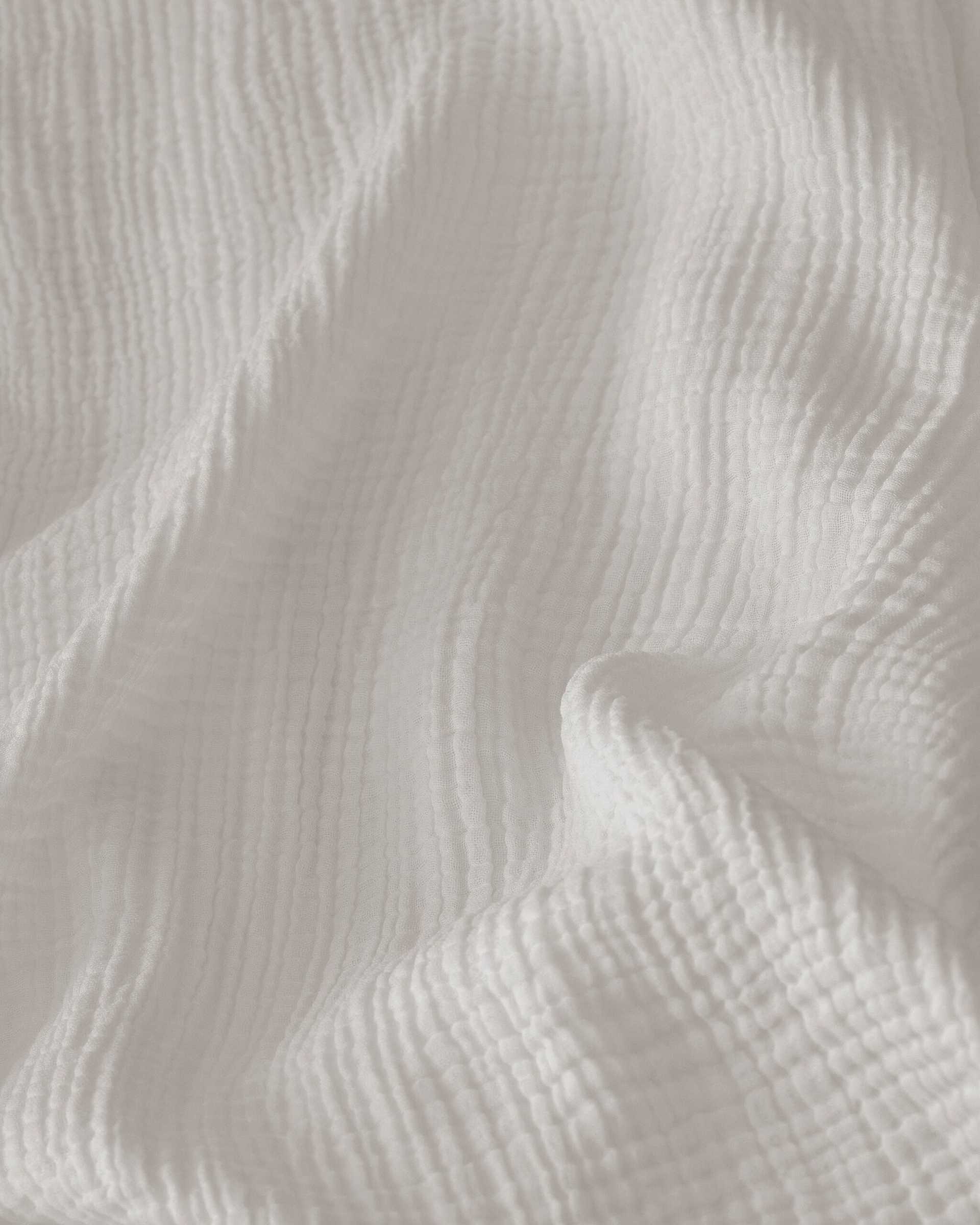
A tactile example bridging aesthetics and comfort is the Free New Bedcover. This four-layer cotton voile bedspread delivers a light, breathable layer that enhances a warm-weather sleeping environment without adding bulk. Its subtle raised pattern offers texture that evokes calm, an essential factor for a soothing sleep space. While not a mattress, the right bedcover can influence perceived coziness and room temperature, important for night-long comfort.
Colorways and textures from Free New Bedcover collections can coordinate with calm color palettes—think soft neutrals, creams, and muted earthy tones—that promote a tranquil bedroom. When selecting bedding that complements an organic latex or coil-free surface, aim for breathable fabrics and finishes that align with sustainability goals and tactile delight.
Free New Bedcover details
Price: 775.00
Four-layer cotton voile, light and cool, with a subtle raised pattern; care instructions emphasize gentle laundering to preserve texture. Available in multiple hues suitable for a serene sleep environment.
Note: This spotlight illustrates how non-mattress textiles contribute to overall sleep environment quality, aligning with renewbeds.com emphasis on interior wellness and sustainable comfort.
Editorial take: choosing between organic latex and coil-free luxury
When you compare Naturepedic’s organic latex with Vispring’s coil-free luxury options, you’re weighing two visions of natural comfort. Naturepedic centers its proposition on the purity of materials, organic certification, and a health-forward sleep surface. The latex variants deliver buoyant responsiveness, durability, and breathable warmth that many sleepers associate with a fresh, clean sleep environment. Vispring, meanwhile, leans into crafting excellence, drawing from a heritage of luxury and artisanal construction to offer a calm, contouring experience that embodies longevity and refinement.
For readers of renewbeds.com, the question often comes down to personal values: do you prioritize a straightforward organic story with a clear health narrative, or do you seek a premium, almost heirloom feel that celebrates traditional craftsmanship in a coil-free format? Both paths promote sustainability and health, but your choice may reflect your sleep posture, room design, and budget.
Practical buying guide for organic latex and coil-free options
- Assess your sleep position and firmness preference. Natural latex tends to offer a resilient, buoyant feel with predictable zoning, whereas coil-free luxury configurations focus on contour and edge-to-edge support through layered natural materials.
- Check certifications and sourcing. Look for organic, GOTS, GOLS, and other third-party validations to ensure that the latex and textiles meet your allergen and sustainability standards.
- Consider airflow and climate control. A breathable latex core typically excels in heat management, while the surrounding materials and cover fabrics play a significant role in temperature regulation.
- Evaluate warranty and aftercare. Longevity is a core value of coil-free premium designs, but latex models also offer strong warranties. Understand return policies, coverage for sagging, and care guidelines to maximize lifespan.
- Balance price against value. Naturepedic’s organic latex models can provide solid value through durable, health-conscious design. Vispring’s coil-free options may command a premium for craftsmanship and material richness, but can deliver extraordinary long-term satisfaction if aligned with buyer priorities.
Conclusion: aligning comfort, health, and sustainability
Ultimately, renewbeds.com frames sleep as an ecosystem—where the mattress, the bed foundation, bedding, and the room’s design harmonize to support healthier rest. Naturepedic’s organic latex offerings and Vispring’s coil-free, luxury approaches each point toward a future where comfort and sustainability coexist. The right choice hinges on your personal preferences, sleep environment, and commitment to organic materials. By prioritizing breathability, non-toxic finishes, and enduring design, you can craft a sleep setup that stands the test of time—and helps you wake up refreshed, every day.
About renewbeds.com and the journey ahead
This piece is part of a broader exploration into how beds, bedding, and design choices influence sleep health and interior wellness. We invite readers to imagine sleep as a ritual of care—where the materials beneath us support not only our bodies but our mental clarity and daily productivity. Stay tuned for forthcoming reviews, expert interviews, and practical guides that translate science into soothing, actionable advice for your bedroom sanctuary.