Duvet covers and bed skirts serve different but complementary roles in bedding. A duvet cover encloses a comforter or duvet insert, helping protect it from everyday dust and wear while providing a removable fabric layer. A bed skirt fits around the base of a bed, concealing the frame or under-bed storage and creating a more finished appearance.
When assessing duvet covers, useful details include fabric composition, weave, closure type, dimensions, and care instructions. Matching the cover size to the duvet insert helps limit shifting and bunching. Breathable materials can support comfortable sleep, while a removable, washable cover offers a practical way to maintain bedding between deeper cleaning.
Bed skirts are selected according to mattress and foundation dimensions, drop length, construction, and color. A correctly fitted skirt should reach the intended height without dragging excessively on the floor. It can visually coordinate with sheets, pillows, and a duvet cover, while also screening bed legs and items stored beneath the bed.
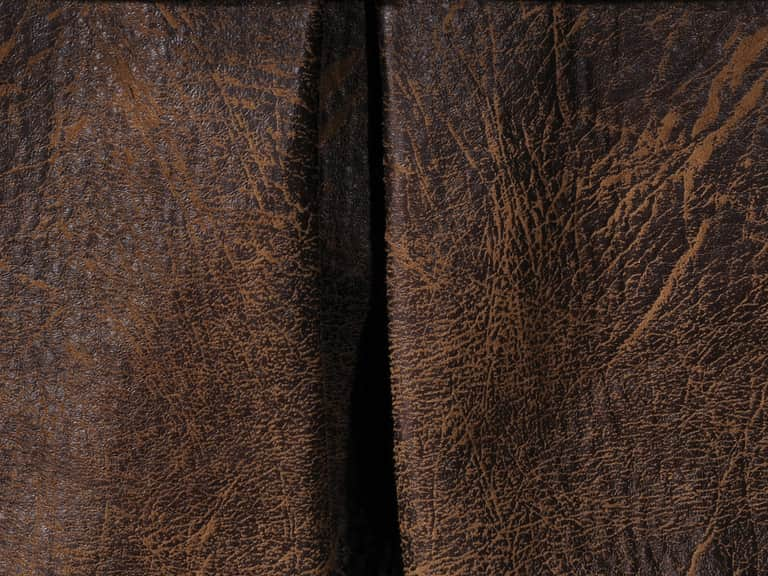
The Gallop Claret Bed Skirt is a named option in this category, with a claret color that can introduce a rich accent to a bedroom’s bedding palette. As a bed skirt, its functional purpose is to cover the exposed bed base and help create a tidier, more cohesive appearance around the lower part of the bed.
For a coordinated sleep setting, consider how bedding layers relate in color, texture, and care requirements. Sheets and pillows provide everyday comfort, while a duvet cover and bed skirt contribute protection and visual structure. People considering organic mattresses or latex mattresses can evaluate these bedding accessories separately, matching their sizes and materials to personal needs.
 Bedding